
As the golden years approach, the focus on maintaining health and vitality becomes increasingly important. Embracing old age with grace and vigor is not merely a matter of luck; it involves consciously choosing a healthy lifestyle and making informed decisions about nutrition. The right vitamins and nutrients can significantly enhance your quality of life, enabling you to enjoy every moment.
First and foremost, a healthy lifestyle is about balance. Regular physical activity is key to preserving mobility and strength. Engaging in activities such as walking, swimming, or gentle yoga can keep your body agile and your mind clear. Combine this with adequate sleep and stress management practices like mindfulness or meditation to ensure your overall well-being. Remember, these lifestyle habits complement the vitamins your body needs as you age.
Nutrition plays an equally vital role. As we grow older, our bodies require different nutritional needs to maintain functions and prevent deficiencies. For instance, Vitamin D is critical for bone health, especially as the risk of osteoporosis increases in old age. Pairing this with calcium-rich foods such as leafy greens and fortified dairy products can provide a powerful duo for strong bones.
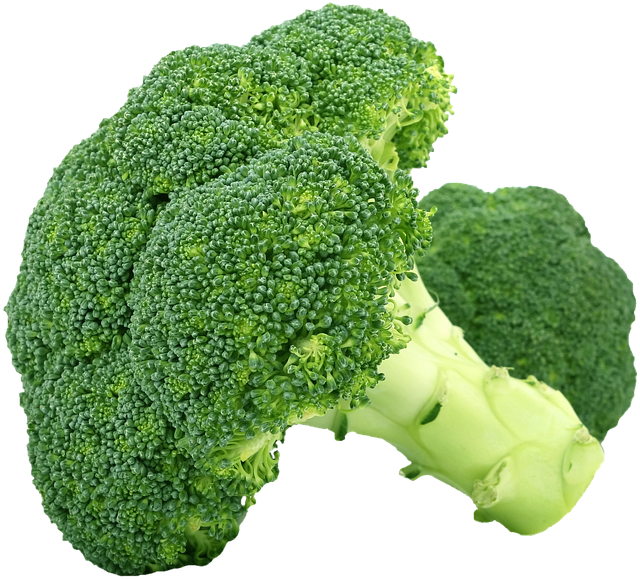
Another essential vitamin is B12, vital for nerve function and the production of DNA and red blood cells. Older adults often face absorption issues, but you can integrate B12 through fortified cereals, fish, and meat. In addition, incorporating a variety of colorful fruits and vegetables can ensure you’re getting a range of antioxidants, which protect against age-related cellular damage.
Omega-3 fatty acids, often found in fish and flaxseeds, have anti-inflammatory properties that can support heart health and cognitive function—two critical areas to focus on during your old age. Including these in your diet can lead to not only a longer life but also a more vibrant one.
Moreover, hydration is often overlooked in discussions of healthy living. As we age, our sense of thirst diminishes, which can lead to dehydration. Maintaining adequate fluid intake is essential for all bodily functions, including digestion, circulation, and temperature regulation. Try to sip water throughout the day, and include hydrating foods like cucumbers and watermelon in your meals.
In the pursuit of health during old age, it’s also wise to consult with healthcare professionals about potential supplements. While whole foods should always be your primary source of nutrients, sometimes our diets do not provide everything we need. Tailoring your vitamin intake based on personal health conditions can help you better manage your wellness.
Aging gracefully is a journey—one that requires patience, knowledge, and a proactive approach to health. By prioritizing a healthy lifestyle and nutrition, you can conquer the challenges that often accompany old age. Celebrate this lovely stage of life by awakening the power of vitamins and embracing a nourishing lifestyle, allowing you to thrive with energy and joy for many years to come.