
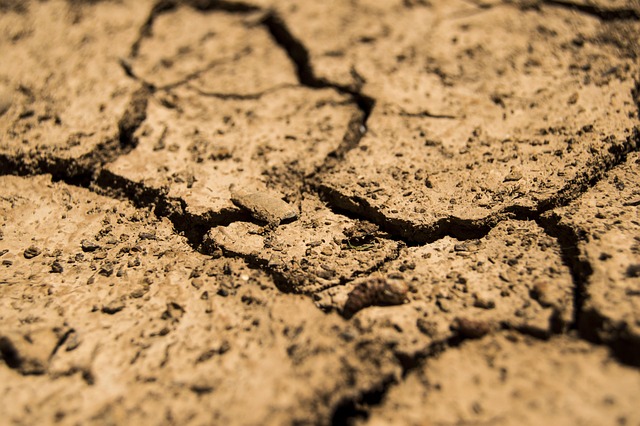

When we think of hydration, we often picture a glass of water or a refreshing beverage after a workout. However, the effects of dehydration go far beyond mere thirst. Surprisingly, dehydration can have profound impacts on your healthy lifestyle and nutrition, often in ways you might not expect. Let’s explore five surprising ways dehydration can affect you.
First and foremost, dehydration can significantly affect your energy levels. When your body is lacking sufficient fluids, it struggles to transport nutrients efficiently. This can lead to feelings of fatigue and lethargy, making it challenging to maintain an active lifestyle. Many people mistakenly attribute tiredness to lack of sleep or stress, but it might just be that you are not getting enough water.
Next up is its influence on digestion. Proper hydration is essential for the digestive system to function optimally. Without adequate water intake, the body cannot produce enough saliva and digestive juices, leading to problems like bloating and constipation. Healthy nutrition relies on effective digestion, and dehydration can counteract your efforts to consume a balanced diet rich in fiber and nutrients.
Thirdly, dehydration can impair your mental clarity and focus. Studies show that even mild dehydration can affect cognitive performance. This decline can hinder your ability to make health-conscious decisions, whether it’s choosing nutritious snacks or sticking to a workout regimen. If you find yourself feeling foggy or indecisive, it might be time to reach for that water bottle instead of that second cup of coffee.
Additionally, dehydration can affect your skin health. If you’re striving for that radiant complexion through a healthy lifestyle, note that adequate hydration is key. Dehydrated skin often looks dull, and fine lines can become more pronounced. By ensuring you stay properly hydrated, you’ll be supporting not just your internal health, but also your outward appearance.
Lastly, dehydration can lead to increased cravings, particularly for sugary and salty foods. When your body is dehydrated, it can confuse thirst for hunger, leading you to reach for snacks instead of water. This misinterpretation can derail your healthy nutrition efforts and lead to unwanted weight gain. Learning to listen to your body’s signals can help you identify thirst before it escalates into cravings.
Incorporating hydration into your lifestyle doesn’t have to be complicated. Carry a reusable water bottle, set hydration reminders on your phone, or infuse your water with fruits for added flavor. By understanding how dehydration impacts your body, you can take small steps to ensure adequate fluid intake and stay aligned with your goals of maintaining a healthy lifestyle and nutrition.