

The Rhythm of the Trail and the Power of Protein
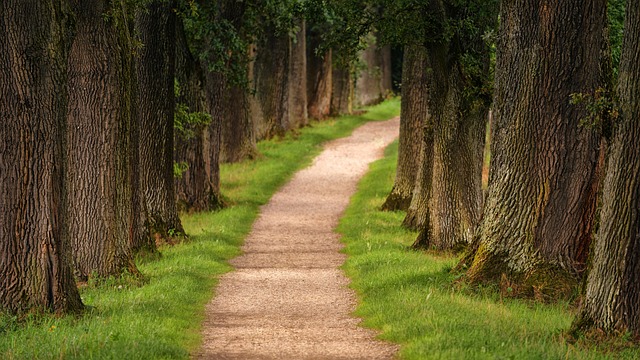
There is a special hum that fills the lungs when you lace your boots, adjust your pack, and step onto a forest path. Hiking blends movement, mindfulness, and awe in a way few pursuits can match. Yet, as the miles unfold, success on the trail depends on more than sturdy footwear and stunning vistas; it hinges on smart, protein-focused nutrition that keeps every muscle fiber firing smoothly.
Why a Protein Emphasis Matters for Hikers
Even a moderate trek places thousands of repetitive contractions on the calves, quads, glutes, and core. Protein supplies the amino acids that repair tiny muscle tears, steady blood sugar, and bolster the immune system against changing altitudes and temperatures. Unlike quick carbs that peak and crash, protein delivers a steady, lasting energy curve—ideal for long ascents, ridge traverses, and the inevitable descent back to the trailhead.
Protein Targets for an Active Lifestyle
Most hikers thrive at roughly 1.2–1.6 g of protein per kilogram of body weight on active days. A 70 kg trekker, for instance, can aim for 85–110 g spread throughout breakfast, trail snacks, lunch, and dinner. Distributing intake matters; consuming 20–30 g every three to four hours supports continuous muscle repair and satiety, so appetite and energy remain stable even when the next shelter or water source is still miles away.
Trail-Friendly Protein Sources
- Jerky and Biltong: Lightweight, shelf-stable, and available in beef, turkey, salmon, or plant-based varieties.
- Nuts and Seeds: Almonds, pistachios, pumpkin seeds, and hemp hearts supply protein plus healthy fats for slow-burn fuel.
- Dehydrated Beans and Lentils: Soak quickly at camp, delivering 12–18 g protein per cooked cup.
- Protein Powders: Whey, pea, or soy powders tuck into any side pocket; shake with water for an instant boost at a summit break.
- Tuna or Salmon Packets: Vacuum-sealed, no can opener needed, rich in omega-3s to calm trail-induced inflammation.
- Hard Cheeses: Aged cheddar, gouda, or parmesan endure several days without refrigeration and pair beautifully with whole-grain crackers.
Sample Day on the Trail
Pre-hike Breakfast: Oats cooked with powdered milk, stirred with almond butter, cinnamon, and dried blueberries (25 g protein).
Morning Stretch Break: Greek-style yogurt pouch and a handful of walnuts (15 g).
Trail Lunch: Whole-wheat wrap stuffed with hummus, dehydrated falafel crumbles, and crisp veggies (22 g).
Afternoon Snack: Beef jerky strips and dark chocolate-covered espresso beans (18 g).
Camp Dinner: Instant brown rice blended into a red lentil curry, topped with freeze-dried chicken (35 g).
Total: roughly 115 g protein—ample for muscle recovery and next-day adventures.
Hydration and Electrolyte Synergy
Protein alone cannot shoulder the entire performance load. Adequate water transports amino acids into cells and clears metabolic byproducts. Add an electrolyte tablet or a pinch of sea salt to one water bottle to replace sodium lost through sweat, which helps maintain appetite and ensures the body continues to crave high-protein foods rather than only sugary quick fixes.
Plant-Forward Strategies Without Sacrifice
Many hikers adopt a plant-centric approach for environmental or ethical reasons. Diversity is the linchpin: combine legumes with whole grains—such as lentils and quinoa or black beans and brown rice—to create a full amino-acid spectrum. Roasted chickpea snacks, soy jerky, spirulina packets, and seitan jerky bars bump numbers effortlessly while keeping packs light.
Mindful Eating for Trail Mindset
Savoring each bite under an open sky converts nutrition into an experience rather than a chore. Pause at a lookout, breathe deeply, and chew slowly; this practice enhances digestion, encourages natural hunger cues, and fosters gratitude for both the landscape and the body’s capacity to roam through it. A protein-rich meal shared beside a rushing stream feels richer than any fine-dining reservation.
Practical Prep Tips
- Batch Vacuum-Seal: Portion jerky, nuts, and powdered shakes into single-serve packs before departure to streamline rest stops.
- Label the Grams: Write protein content on each baggie so hitting daily targets requires no mental math after a 1,000-meter climb.
- Rotate Flavors: Variety prevents palate fatigue; alternate savory (roasted edamame) with sweet (date-nut protein bites) snacks.
- Test at Home: Experiment with new bars or powders on local training hikes to avoid surprises when you’re days from a trailhead.
Living the Protein-Powered Hiking Lifestyle
At its core, Hiking celebrates self-reliance, resilience, and curiosity—values mirrored by choosing deliberate, nutrient-dense foods. By weaving protein into every trail rhythm, you nurture muscle integrity, heighten mental clarity, and give yourself permission to chase longer routes, loftier peaks, and deeper solitude in the backcountry. Each bite becomes an act of self-care that echoes the steady crunch of boots on earth, carrying you forward with confidence and vigor.