
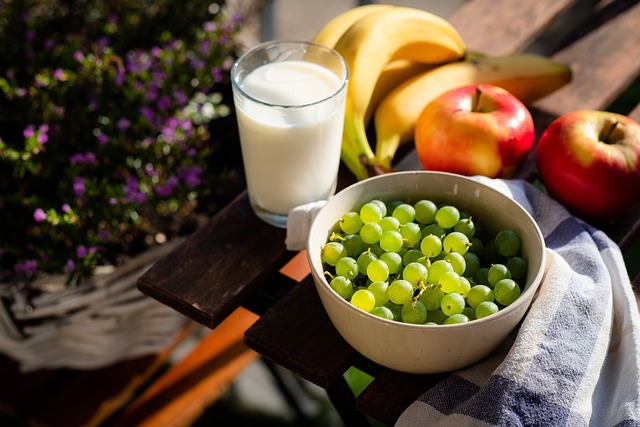

When it comes to achieving our fitness goals, the importance of a healthy diet cannot be overstated. The connection between what we eat and how we perform during workouts is profound. A balanced diet fuels our bodies, enhances our energy levels, and supports quicker recovery times. Many of us might think that exercise alone is enough to get fit, but the truth is that diet plays a pivotal role in maximizing the benefits of our workouts.
Leading a healthy lifestyle isn’t just about hitting the gym regularly; it’s also about making smart nutritional choices that provide our bodies with the necessary tools to thrive. Consuming nutrient-dense foods ensures that our bodies have access to the vitamins, minerals, and macronutrients needed for optimal performance. For instance, incorporating ample fruits and vegetables into our meals not only helps in providing essential nutrients but also helps maintain hydration and encourages recovery post-exercise.
Many might wonder, What does healthy nutrition look like?” It starts with understanding the balance of macronutrients: carbs, proteins, and fats. Carbohydrates are crucial for providing the energy we need during high-intensity workouts. Whole grains, fruits, and vegetables are excellent sources that help keep our energy levels steady. Proteins, on the other hand, play a key role in muscle repair and growth; lean meats, beans, and dairy products are ideal choices for those looking to build strength.
Furthermore, healthy fats shouldn’t be overlooked. Sources such as avocados, nuts, and olive oil are not only delicious but also essential for hormone production and overall cellular health. Including a mix of these macronutrients in our diet allows us to fuel our bodies efficiently, leading to enhanced performance and a healthier state of mind.
Incorporating a variety of healthy foods into our diet can also foster a positive relationship with food. Instead of viewing meals as mere fuel, embracing the idea that our nutrition can be enjoyable and nourishing transforms the way we think about eating. Experimenting with different recipes and discovering new flavors can create a wholesome and sustainable approach to diet.
Listening to our bodies is vital as well. Fuel requirements can vary based on individual goals, intensity of exercise, and even lifestyle factors. This means paying attention to what your body needs before, during, and after a workout. A pre-workout snack, for instance, could be a banana or an energy bar to ensure we have enough glycogen stores ready. Post-workout, a protein-rich meal helps refill those stores and aids recovery.
Moreover, hydration is an often overlooked aspect of both a healthy diet and workout routine. Staying hydrated is fundamental for all bodily functions, including muscle function and recovery. Including water-rich foods in your meals, alongside regular fluid intake, can make a significant difference in overall performance and well-being.
Adopting a healthy diet is not merely about restriction, but rather about making thoughtful choices that align with our workout goals. It’s an investment in our health and fitness journey—a commitment to our well-being that yields rich rewards. Balancing exercise with nutrient-rich foods can transform our physical capabilities and elevate our overall quality of life.