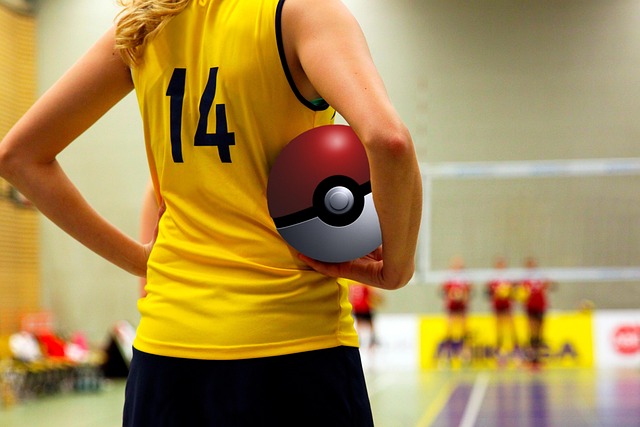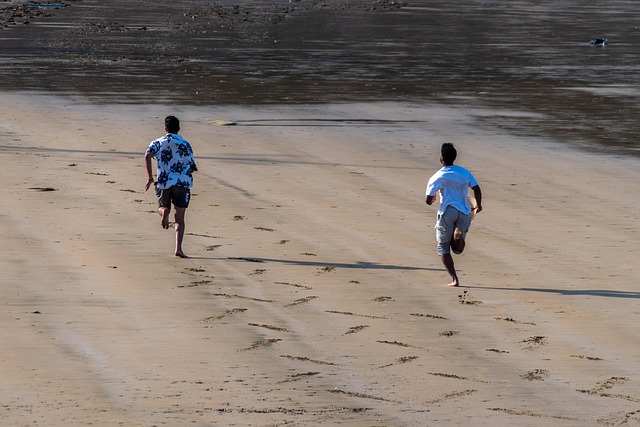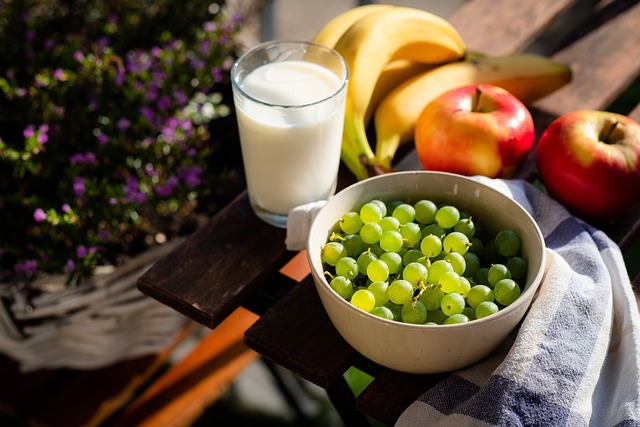


Sports photography has a unique power: it freezes a split second of effort, emotion, and energy, then hands it back to us as motivation. When we look at a sharp, perfectly timed image of an athlete mid-sprint, mid-jump, or mid-celebration, we are not just seeing movement. We are seeing discipline, sacrifice, and the quiet decisions around healthy lifestyle and healthy nutrition that made that moment possible. In the realm of exercise, these images can be the spark that gets us off the couch and into motion.
Think about the last time you paused on a striking piece of sports photography. Maybe it was a runner crossing a finish line, sweat shining under stadium lights. Maybe it was a group of friends laughing at the end of a long hike or a local team embracing after a tough game. Those scenes do more than document events; they invite us to imagine ourselves in the frame. The lens turns someone else’s exercise routine into a story, and stories are easier to identify with than abstract advice about a healthy lifestyle.
In many ways, sports photography is the visual language of commitment. The crisp muscles of a sprinter, the focus in a weightlifter’s eyes, the fluid control of a yoga pose — all of these details whisper about thousands of small decisions. Getting up early, lacing shoes when it is cold, choosing water instead of soda, preparing a balanced meal instead of grabbing fast food. The final photo does not show every choice, but we feel them behind the image, and that feeling nudges us toward our own healthier habits.
This is where exercise and emotion meet. A still frame of a marathoner at mile 20 captures pain, doubt, and determination all at once. We recognize that look because we have been there in our own way: one more push-up, one more lap, one more minute on the bike when we wanted to quit. Sports photography reflects our inner struggle and turns it into something visible and relatable. It reminds us that the discomfort of training is temporary, but the pride it brings can last long after our heartbeat returns to normal.
Healthy nutrition often feels less visible than exercise. You cannot always see the difference between a person who ate a balanced breakfast and someone who skipped it. Yet the impact of food choices quietly shapes every powerful action that sports photography highlights. The endurance to finish a long run, the explosive strength to jump higher, the mental clarity to make a perfect pass — all are deeply connected to what fuels the body beforehand.
More and more, sports photography is beginning to tell that side of the story too. Behind-the-scenes images of athletes preparing meals, hydrating, or recovering with wholesome foods offer a more complete picture. An overhead shot of bright vegetables, lean protein, and whole grains lined up in meal containers may seem simple, but it carries the same message as a finish-line photo: this is what dedication looks like. It shows that success is not a mystery; it is the outcome of repeated, intentional choices around healthy nutrition.
These visuals can influence how we view our own plates. When a powerful image associates strength with colorful salads, hearty grain bowls, or thoughtfully portioned snacks, it subtly shifts our desires. Healthy food stops looking like punishment or restriction and starts to appear as a tool for performance and well-being. The next time we stand in front of the fridge or scroll through delivery options, that memory of a photograph can quietly steer us toward a better decision.
Sports photography also captures something else essential to a healthy lifestyle: community. Shots of teammates in a tight huddle, a group cycling up a steep hill together, or families cheering from the sidelines reveal that exercise does not have to be a lonely struggle. It can be shared, celebrated, and supported. For someone hesitating to start a new workout plan, seeing people of different ages, sizes, and backgrounds in action lowers the psychological barrier to entry. The unspoken message is powerful: you belong here, too.
This sense of belonging is important when we think about changing habits. Starting a new exercise routine or improving our nutrition can feel overwhelming, especially if we think we have to transform overnight. Yet the most compelling sports photography often highlights process rather than perfection. Photos of training sessions, early morning practices, or athletes resting on the ground after an intense workout show that progress is messy and human. They normalize struggle, making it easier for us to accept our own imperfect steps toward better health.
Even on a small scale, simply taking and keeping your own sports photos can transform the way you see your journey. You do not need professional equipment; a phone camera is enough. A snapshot of your first 3-kilometer jog, your home workout in the living room, or your newly prepared healthy meal can become a private source of motivation. On days when energy is low, looking back at those images reminds you how far you have come. The camera becomes a tool to document not just your body’s changes, but your growing relationship with exercise and food.
There is also an honest side to this. Not every photo will be flattering. Some will show flushed cheeks, messy hair, or a tired expression. But those are the most meaningful ones, because they show you doing the work, not posing for an ideal. They teach self-compassion: being healthy is not about looking perfect every second, but about showing up consistently, even when conditions are not ideal. Over time, you may begin to value what your body can do more than how it looks, a shift that supports a more sustainable, balanced lifestyle.
For parents, coaches, and educators, sports photography can be a gentle yet strong tool to guide younger generations toward healthier choices. Displaying photos of school teams training hard, kids cooking simple nutritious snacks together, or families being active outdoors creates an environment where movement and good food are normal and joyful. Children and teens absorb these images long before they fully understand complex nutrition guidelines or training plans. The photos plant a seed: being active and eating well is just what we do.
On a broader cultural level, the images we choose to celebrate matter. When magazines, websites, and social media feeds feature diverse bodies engaged in sports and eating well, they chip away at narrow definitions of fitness. People see runners with different body shapes, older adults lifting weights, beginners taking their first class, and realize that a healthy lifestyle is not reserved for a specific type of person. It is available to anyone willing to take the next small step, whether that is a short walk or swapping one sugary drink for water.
Each one of us can use sports photography more intentionally in daily life. We can curate what we look at, following accounts and platforms that show realistic, respectful images of exercise and nutrition rather than extreme diets or impossible beauty standards. We can let those images remind us to schedule a workout, drink more water, or add an extra serving of vegetables to our meals. And we can create our own visual record, turning our efforts into a gallery of proof that we are capable of change.
In every captured sprint, stretch, or shared meal, there is an invitation: take care of your body, move with purpose, fuel yourself with respect. When we answer that invitation, we are no longer just spectators of sports photography; we become participants in the same story of strength, balance, and health that the images portray.