

Achieving Optimal Nitrogen Balance: The Key to a Healthy Protein-Fueled Lifestyle
When it comes to leading a healthy lifestyle, the importance of nitrogen balance cannot be overstated. It serves as an essential indicator of your body’s health, influencing everything from muscle development to energy levels. Understanding and achieving optimal nitrogen balance allows you to fuel your body effectively with protein, which is essential for both physical and mental well-being.
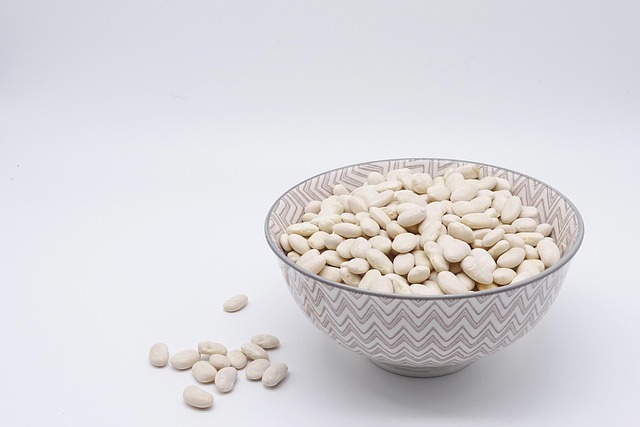
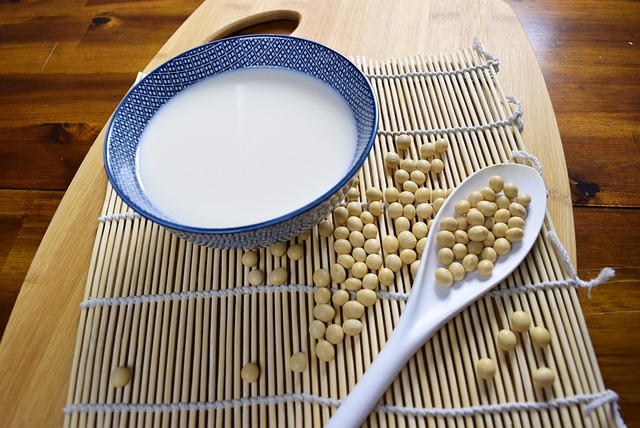
A healthy diet is one of the cornerstones of achieving that ideal nitrogen balance. Consuming sufficient protein is crucial, as it is the primary source of nitrogen in our bodies. Whether you are a fitness enthusiast looking to build muscle or someone simply striving for overall wellness, recognizing the role of protein in your diet is paramount. Foods such as lean meats, dairy products, legumes, and nuts are excellent sources of protein that can help you maintain a positive nitrogen balance.
But what exactly does nitrogen balance” mean? In simple terms, it refers to the difference between nitrogen intake and nitrogen loss. When your body takes in more nitrogen than it expels, you are in a positive nitrogen balance, which is typically associated with muscle growth and effective recovery. Conversely, a negative nitrogen balance, where nitrogen loss surpasses intake, can lead to muscle breakdown and decreased vitality. This can happen when dietary protein is insufficient or when you’re under physical stress due to overtraining or illness.
To establish a proper nitrogen balance, focus on incorporating a variety of protein sources into your meals. Combining your protein intake with healthy carbohydrates and fats creates a balanced approach to nutrition that fuels your lifestyle. Regularly consuming protein post-workout is particularly important, as it aids the body’s recovery process. It is during these recovery periods that protein synthesis peaks, allowing your muscles to repair and grow.
A mindful approach to nutrition can also contribute to achieving a stable nitrogen balance. Try meal prepping to ensure you always have healthy options available. Planning your meals also helps you monitor your protein intake more effectively, ensuring you’re consistently meeting your dietary needs. Experimenting with different protein-rich recipes can make it easier to stay committed to a healthy nutrition plan while enjoying flavorful meals.
Physical activity plays an integral role in maintaining a favorable nitrogen balance. Engaging in regular strength training can promote muscle growth, facilitating a positive nitrogen balance. Resistance exercises not only build strength but also enhance metabolic pathways that utilize protein efficiently. Remember, your lifestyle choices extend beyond just your diet; incorporating physical activity increases your body’s demand for protein, making it even more essential to consume adequate amounts of protein-rich foods.
In addition to the dietary and exercise components, other factors such as proper hydration, sleep, and stress management also play significant roles in achieving nitrogen balance. Staying hydrated supports your body’s metabolic functions and helps in the effective utilization of protein. Meanwhile, prioritizing sleep allows for recovery and growth, providing the environment your body needs to maintain that ideal nitrogen balance.
Ultimately, understanding and working towards achieving a healthy nitrogen balance is fundamental for anyone committed to a protein-fueled lifestyle. As you explore the plethora of protein sources available and intertwine them into your daily nutrition, you’ll find that the journey towards a healthier, stronger you is not just achievable, but also incredibly rewarding.