

Building Strong Foundations: Understanding Protein Structure for a Healthy Lifestyle
In the quest for a healthy lifestyle, nutrition stands as a cornerstone that influences our overall well-being. Among the myriad of nutrients that our bodies crave, proteins play a pivotal role. Understanding protein structure is essential to harness the benefits that these macromolecules can provide.
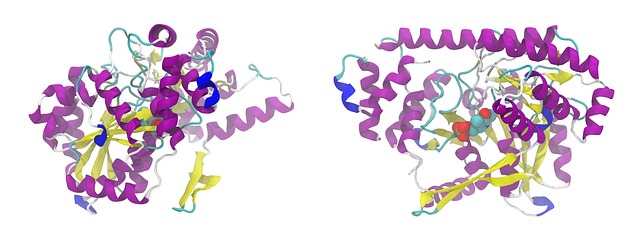
At its core, protein structure refers to the intricate arrangement of amino acids, the building blocks of proteins. This structure can be classified into four levels: primary, secondary, tertiary, and quaternary. Each level plays a crucial role in determining how the protein functions in our body. From muscle repair and immune responses to enzymatic activity, the specific structure of proteins dictates their efficiency and effectiveness.
When we consume protein-rich foods, we are essentially fueling our bodies with vital components that support health. Lean meats, legumes, nuts, and dairy contain proteins that, once broken down, create an abundant supply of amino acids. These amino acids are essential for growth, recovery, and overall vitality. For those embracing a healthy lifestyle, prioritizing quality sources of protein can significantly enhance nutritional intake.
Moreover, the diverse roles of proteins extend beyond mere muscle repair. Enzymes, hormones, and antibodies are all proteins that help regulate bodily functions, support immunity, and maintain hormonal balance. By understanding protein structure, we can appreciate the complexity and functionality of these nutrients, allowing us to make informed dietary choices that optimize our health.
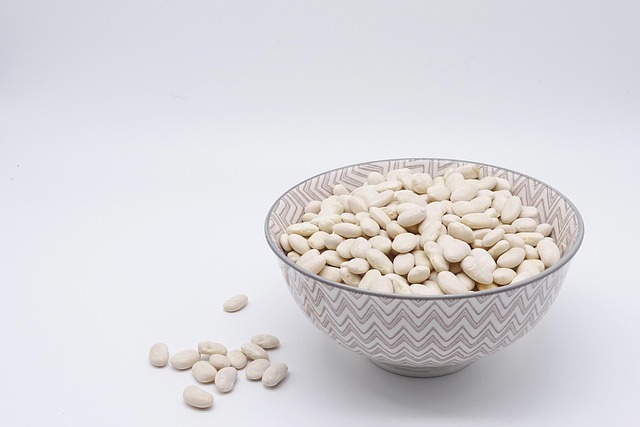
Incorporating a variety of protein sources into our diet is essential in promoting a balanced intake of amino acids. For instance, consider the difference between plant-based and animal-based proteins. Plant proteins, while offering numerous health benefits, often lack one or more essential amino acids. Hence, combining different sources, like beans with rice or nuts with whole grains, can create a complete protein profile. This strategy not only supports a healthy nutrition plan but also aligns with sustainable eating practices.
Furthermore, the structure of proteins can be affected by cooking methods, processing, and even storage. To preserve the integrity of protein structures, opting for gentle cooking techniques such as steaming or grilling can help maintain their nutritional value. Being mindful of how we prepare our meals can go a long way in ensuring we’re getting the maximum benefit from our protein sources.
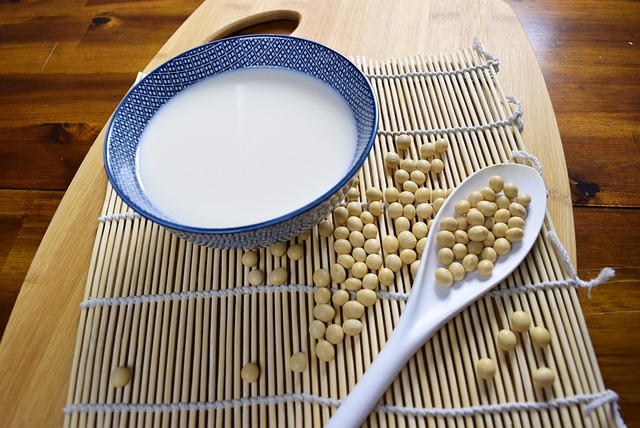
In recent years, the popularity of plant-based diets has surged, leading to an increased awareness of protein structure from a vegetarian or vegan standpoint. Understanding the differences in protein digestibility and amino acid profiles in plant versus animal sources strengthens our ability to maintain a balanced, healthy diet. It encourages us to experiment with various foods such as quinoa, chickpeas, lentils, and tofu, which can provide ample protein while contributing to overall health and wellness.
Ultimately, embracing a healthy lifestyle means understanding the building blocks of our nutrition. A focus on protein structure allows us to appreciate the significance of these nutrients in our daily lives. As we integrate quality protein sources into our diets, we lay the groundwork for a vibrant, robust, and sustainable lifestyle. Remember, the choices we make today regarding our nutrition will not only affect our health now but will also build stronger foundations for our future wellbeing.