

The Role of Transport Proteins in Maintaining a Healthy Lifestyle Through Nutrition
When most people think about a healthy lifestyle, they picture balanced meals, regular exercise, and maybe a good night’s sleep. Yet, beneath every one of those choices is an invisible network of helpers working inside your body: transport proteins. If “Protein” as a category feels familiar to you in the form of shakes, chicken breasts, or tofu, transport proteins are the quieter cousins that never make the front of the package—but they’re essential to turning your healthy nutrition choices into real results.
Every bite you eat is only as useful as your body’s ability to move nutrients where they need to go. That movement is where transport proteins step in. They sit in cell membranes and in your bloodstream, guiding vitamins, minerals, fats, sugars, hormones, and even water to the right place, at the right time, in the right amount. A truly healthy lifestyle is not only about what you eat, but also about how well your body can handle and deliver what you give it.
What Are Transport Proteins, Really?
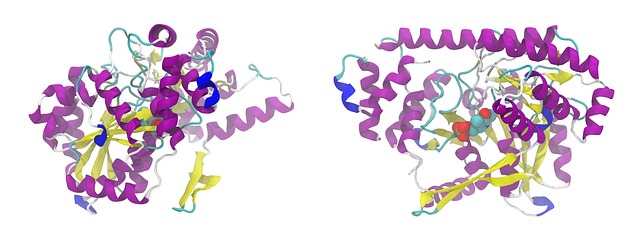
Transport proteins are specialized proteins that carry substances across cell membranes or through the blood. You can think of them as:
- Doorways in your cell membranes, allowing nutrients to enter or leave.
- Shuttles in your bloodstream, grabbing onto important molecules and dropping them off where needed.
A few everyday examples:
- Hemoglobin carries oxygen from your lungs to your tissues—fuel for every workout, every thought, every heartbeat.
- Lipoproteins (like HDL and LDL) transport cholesterol and fats, influencing heart health and energy use.
- Glucose transporters move sugar from your blood into your cells, critical for steady energy and stable blood sugar.
- Albumin helps transport hormones, fatty acids, and certain medications through the blood.
When you focus on a healthy lifestyle and healthy nutrition, you’re not just eating for muscles or energy—you’re feeding the entire transport system that keeps your internal world organized.
How Transport Proteins Connect Nutrition to Daily Energy
The feeling of stable, lasting energy during your day—no extreme crashes, no foggy afternoons—is closely tied to how well transport proteins work. Nutrients aren’t magical on their own; they must be absorbed and moved correctly.
Consider blood sugar balance. After a meal, glucose transport proteins help move sugar from your blood into your cells. If this process is efficient:
- Your brain gets steady fuel—supporting focus and mood.
- Your muscles receive the energy they need for movement and exercise.
- Your blood sugar stays more stable—less of the sharp spikes and dips that leave you tired and craving more sweets.
This is why balanced meals that include protein, healthy fats, and fiber can support the action of these transport proteins. A well-composed plate slows digestion, keeps nutrient levels more stable, and helps your internal transport system keep up.
Oxygen, Movement, and Your Active Life
If a healthy lifestyle for you includes walking, running, lifting weights, practicing yoga, or simply keeping up with a busy day, then oxygen transport is central. Hemoglobin, a transport protein in red blood cells, carries oxygen to working muscles and organs.
The quality of your nutrition influences hemoglobin and red blood cell production. For example:
- Iron is a key part of hemoglobin. Poor iron intake can mean less oxygen-carrying capacity and more fatigue.
- Vitamin B12 and folate help make healthy red blood cells.
- Protein intake provides the building blocks to make hemoglobin itself.
When these nutrients are present through a balanced diet, transport proteins can more effectively deliver oxygen, making physical activity feel more natural and less exhausting. If you’ve ever felt the difference between exercising while well-nourished versus running on empty, you’ve felt the impact of healthy transport protein function.
Transport Proteins and Heart-Healthy Nutrition
In the world of Protein and health, lipoproteins gain a lot of attention. These are combinations of fats and transport proteins that carry cholesterol and triglycerides through the bloodstream. Their behavior is strongly influenced by what you eat.
Some key lipoproteins:
- LDL (low-density lipoprotein) transports cholesterol to tissues. In excess, and when combined with inflammation and oxidative stress, it can contribute to plaque buildup in arteries.
- HDL (high-density lipoprotein) helps collect excess cholesterol and bring it back to the liver for processing and removal.
A diet focused on healthy nutrition—rich in vegetables, fruits, whole grains, legumes, nuts, seeds, and high-quality protein sources—can support a more favorable pattern of lipoproteins. Healthy fats from foods like olive oil, avocados, and fatty fish can promote healthier cholesterol transport, aligning your everyday meals with long-term heart health.
The Link Between Protein Intake and Transport Proteins
Since transport proteins are, themselves, proteins, your diet needs to provide enough amino acids to maintain and build them. If you constantly under-eat protein, your body has a harder time making and repairing these transport systems.
Supporting them through nutrition means:
- Including a protein source at most meals: beans, lentils, eggs, tofu, tempeh, fish, poultry, yogurt, or other options that suit your lifestyle.
- Choosing minimally processed protein foods when possible, to bring along vitamins, minerals, and beneficial fats.
- Balancing total protein across the day, instead of eating it all in one meal, to give your body a steady supply of building blocks.
This isn’t just about building visible muscle; it’s about giving your body what it needs to create the invisible transport systems that carry oxygen, nutrients, hormones, and more.
Micronutrients: Quiet Partners of Transport Proteins
Beyond protein itself, several vitamins and minerals help transport proteins do their jobs well. A diet that prioritizes variety and color—especially from plant foods—supports this.
Important micronutrient partners include:
- Iron: essential for hemoglobin; found in red meat, poultry, fish, legumes, and fortified foods.
- Zinc: helps in many protein-related processes; found in meat, shellfish, dairy, nuts, and seeds.
- Vitamin C: improves iron absorption and protects delicate proteins from oxidative stress; abundant in citrus fruits, berries, peppers, and leafy greens.
- B vitamins (B6, B12, folate): key for blood cell formation and energy metabolism; found in animal products, legumes, leafy greens, and fortified foods.
When your diet embraces a wide range of whole foods, you naturally supply the cofactors that keep transport proteins functional and resilient.
Everyday Habits That Support Transport Proteins
Healthy nutrition is made of simple choices repeated consistently. To align your daily habits with the needs of your transport proteins, consider:
- Eat regular, balanced meals combining protein, healthy fats, and complex carbs to support stable nutrient transport.
- Stay well-hydrated, because blood volume and cellular fluid balance affect how easily nutrients move.
- Choose whole foods often, reducing the load of ultra-processed foods that can disturb blood sugar and lipid transport.
- Support your gut health with fiber, fermented foods, and diverse plants, because a healthy gut improves nutrient absorption—the first step before transport.
- Move your body regularly; physical activity can enhance the sensitivity and function of some transport systems, like glucose transporters in muscle cells.
These are not extreme measures. They are the everyday anchors of a healthy lifestyle that respects your body’s inner logistics system.
Feeling the Difference from the Inside Out
The category of “Protein” in nutrition is often reduced to grams and macros, but at a deeper level, proteins—especially transport proteins—shape how you experience your own health. When they are supported through mindful, healthy nutrition, you may notice:
- More consistent energy instead of dramatic swings.
- Better endurance during exercise and daily tasks.
- Improved focus, mood, and mental clarity.
- Markers of heart health moving in a positive direction over time.
These changes are subtle at first, but over weeks and months they add up to a more stable, sustainable sense of well-being. In that way, your food becomes more than fuel—it becomes a daily act of care for the intricate transport systems that keep your body in balance.