

Unlocking the power of the Mediterranean diet is less about “going on a diet” and more about returning to a way of eating that feels natural, flavorful, and sustainable. If you’ve ever felt exhausted by strict rules, calorie counting, or sudden food bans, this way of living can feel like a breath of fresh air. It’s not a quick fix; it’s a gentle shift toward a healthier lifestyle where food becomes nourishment, comfort, and even joy again.
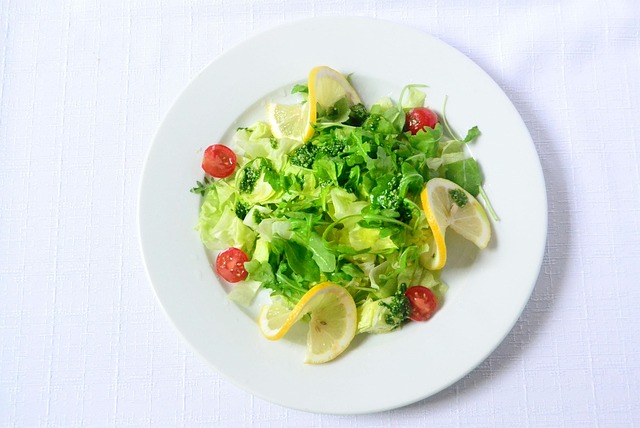
At its heart, the Mediterranean diet reflects a rhythm of life rooted in coastal villages and slow, shared meals. Think of fresh vegetables, ripe tomatoes, leafy greens, fragrant herbs, olive oil with a deep golden color, whole grains, beans, nuts, fish, and seasonal fruits. Instead of processed snacks and heavy sauces, there are simple ingredients prepared in mindful ways. When you step into this style of eating, you’re not just changing what’s on your plate—you’re reshaping your relationship with food and how you care for your body.
Many people approach any new eating pattern with anxiety: “Will I have to give up everything I enjoy?” The comforting truth about the Mediterranean diet is that it values balance more than restriction. You can still enjoy bread—just make it whole grain. You can still savor fats—just choose olive oil and nuts instead of margarine and highly processed oils. You can still eat dessert—focus on fruit, dark chocolate in moderation, or traditional recipes that are naturally lighter. This sense of flexibility makes it easier to sustain and to truly integrate into a long-term healthy lifestyle.
From a healthy nutrition standpoint, the Mediterranean diet is rich in fiber, antioxidants, healthy fats, and lean protein. Colorful vegetables and fruits bring vitamins and phytonutrients; whole grains and legumes keep you full and stabilize blood sugar; olive oil and nuts provide monounsaturated fats that support heart health; fish offers omega‑3 fatty acids that nourish your brain and reduce inflammation. Even modest amounts of fermented dairy like yogurt or cheese can support gut health when consumed mindfully.
The benefits go beyond lab numbers and medical charts. People who embrace a Mediterranean diet often report more stable energy, fewer dramatic hunger swings, and a calmer relationship with food. Instead of a cycle of deprivation and overeating, there’s a natural rhythm: you enjoy satisfying meals, feel comfortably full, and are ready for your next meal without obsession or guilt. This stability can spill into other areas of your life—better mood, more motivation to move, and a deeper sense of control over your well-being.
One of the most powerful aspects of this eating pattern is that it supports a holistic healthy lifestyle, not just “healthy nutrition” in isolation. In traditional Mediterranean cultures, meals are shared. People sit down, talk, and take time to eat. Food is connected to family, community, and pleasure, not just weight or appearance. When you eat slowly and with attention, your body has time to recognize fullness signals, and you are more likely to stop eating when you feel satisfied rather than stuffed. This mindful, social approach to eating naturally moderates portions without strict measuring.
Adopting the Mediterranean diet doesn’t require a complete overhaul overnight. You can begin with small, manageable shifts that feel realistic:
- Start with your fats: Replace butter and highly processed oils with extra virgin olive oil for cooking, dressings, and drizzling over cooked vegetables.
- Add vegetables to every meal: Fill at least half your plate with colorful vegetables—salads, roasted veggies, or simple sautéed greens with garlic and olive oil.
- Choose whole grains: Swap white bread, white rice, and refined pasta for whole-grain versions, bulgur, quinoa, barley, or brown rice.
- Make plant foods your foundation: Plan meals around beans, lentils, chickpeas, and vegetables, with animal protein as a complement rather than the main star.
- Opt for fish more often: Aim for fish or seafood a couple of times a week, especially fatty fish like salmon, sardines, mackerel, or trout.
- Snack smarter: Choose nuts, seeds, fresh fruit, or a bit of yogurt instead of sugary or ultra‑processed snacks.
As these habits take root, you may notice that eating this way feels intuitive. The Mediterranean diet isn’t about perfection; it’s about a pattern over time. You might still have days when you grab fast food or skip vegetables, and that’s okay. What defines a healthy lifestyle is what you do most of the time, not the occasional detour. Returning to a base of vegetables, whole grains, legumes, fruits, and healthy fats will gently anchor you back into balance.
There’s also a deep emotional comfort in knowing that this way of eating is both nourishing and enjoyable. You don’t have to choose between “healthy” and “tasty.” A bowl of lentil soup with olive oil and herbs, a plate of grilled fish with lemon and a tomato‑cucumber salad, or a simple dish of roasted vegetables and whole‑grain bread can feel both deeply satisfying and aligned with your health goals. Over time, your taste buds may shift, and foods that once felt “necessary” may turn out to be less appealing than you remember.
The Mediterranean diet invites you to see healthy nutrition as an act of self-respect and care rather than punishment. It’s about fueling your body so that you can think clearly, move freely, and live the life you want—whether that’s keeping up with your children, feeling comfortable in your clothes, supporting your heart and brain as you age, or simply waking up with more steady energy. By embracing this style of eating, you welcome a calm, steady path to well-being rather than a stressful chase after the next diet trend.
When you bring the Mediterranean diet into your daily routine, you’re not just adding more vegetables or swapping oils—you’re choosing a lifestyle that honors both your health and your humanity. You’re saying yes to meals that nourish you fully: body, mind, and spirit. And that quiet, consistent yes is where real, lasting change begins.