

Protein-Rich Habits: Fueling a Healthy Lifestyle Through Nutrition
There is a quiet satisfaction that comes from living with healthy habits you can trust—habits that don’t rely on willpower alone, but are grounded in routines that truly nourish you. When you start to think of protein not as a fitness buzzword, but as a steady, supportive thread running through your day, the idea of a healthy lifestyle begins to feel more achievable and less like a distant ideal.
In the world of protein, we’re not just talking about muscles or gym culture; we’re talking about stability. Protein-rich meals help stabilize energy, tame cravings, and support a clear, focused mind. When nutrition works in your favor, your day feels different: your mood is more even, your hunger is more predictable, and your choices feel intentional rather than reactive.
Connecting Protein to Your Healthy Lifestyle
A healthy lifestyle is built from hundreds of small decisions you make daily. It’s the way you stock your fridge, how you plan your meals, what you reach for when you’re tired at 3 p.m., and how you recover after a long day. Building those decisions around sufficient protein gives you a foundation that feels both grounding and empowering.
Consider how your day feels when breakfast is mostly sugar and refined carbs: a sweet pastry, a coffee with syrup, maybe a small snack later. Your energy spikes, then dips. You feel hungry again sooner than you expected. Cravings grow louder, and your choices become a negotiation with yourself. Compare that with a morning that starts with Greek yogurt and berries, scrambled eggs with vegetables, or a protein smoothie with nuts and seeds. You’re not just full—you feel centered, more in control. That sense of steadiness is what many people are searching for when they talk about healthy habits.
Healthy Nutrition Starts with Protein Awareness
Adopting healthy nutrition doesn’t mean following strict rules; it starts with awareness. Many people underestimate how much protein they consume—and more importantly, how they distribute it during the day. A typical pattern is low protein at breakfast, moderate at lunch, and a heavy protein load at dinner. The body, however, tends to respond best when protein is spread more evenly across meals.
Imagine reshaping your day as three or four “protein anchors” instead of just one big protein-heavy dinner:
- Morning anchor: Eggs, Greek yogurt, cottage cheese, tofu scramble, or a protein smoothie.
- Midday anchor: Chicken breast, lentils, chickpeas, tempeh, tuna, or a hearty bean salad.
- Evening anchor: Fish, lean beef, turkey, seitan, or a mix of beans and whole grains like quinoa.
- Snack anchor (if needed): Nuts, seeds, edamame, hummus with veggies, or a protein-rich dairy or plant-based option.
These anchors create a rhythm to your healthy nutrition pattern, turning your meals into reliable support instead of unpredictable spikes and crashes.
Healthy Habits That Make Protein Simple
When people talk about healthy habits, they often imagine big transformations: instant discipline, a new workout plan, a total diet overhaul. In reality, protein-focused habits are usually small, repeatable actions that blend into your life rather than disrupt it.
1. Plan Your Protein First
Instead of asking, “What do I feel like eating?” and then trying to fit protein in at the end, flip the question: “What’s my protein source for this meal?” Once you’ve chosen it—beans, eggs, fish, tofu, chicken, lentils, or dairy—you build the rest of the meal around it with vegetables, healthy fats, and whole grains. This simple mental shift nudges your healthy lifestyle in a more intentional direction.
2. Repeat Your Favorites Without Guilt
You don’t need an endless variety of meals to practice healthy nutrition. Many people thrive on a short rotation of go-to protein-rich breakfasts and lunches: Greek yogurt bowls, omelets, overnight oats with added protein, bean salads, or grilled chicken with vegetables. Repetition isn’t boring when it brings you calm and consistency—it’s the backbone of real healthy habits.
3. Keep Protein Visible and Ready
We tend to eat what we can see and reach. Make your high-protein choices visible: cooked chicken or tofu in clear containers, pre-portioned nuts, canned beans rinsed and waiting in the fridge, hard-boiled eggs ready to grab, cottage cheese or hummus at the front of the shelf. When your environment is set up this way, a healthy lifestyle feels less like a battle with temptation and more like a natural outcome of your surroundings.
The Emotional Side of Eating and Protein
Eating is never just physical; it’s emotional, social, and deeply personal. Many people carry guilt, stress, or frustration about food—especially when trying to build healthy habits. Protein can quietly soften some of that tension by making your appetite feel more predictable and less out of control.
When you’re adequately nourished with protein, your body often stops shouting and starts speaking more calmly. Cravings can become suggestions rather than demands. That sense of calm isn’t about perfection; it’s about feeling like you and your body are finally on the same team. And that is at the heart of every sustainable healthy lifestyle.
Plant-Based Protein and Inclusivity in Healthy Nutrition
You don’t have to eat animal products to build a protein-centered life. Many people living a healthy lifestyle rely on plant-based sources to meet their needs:
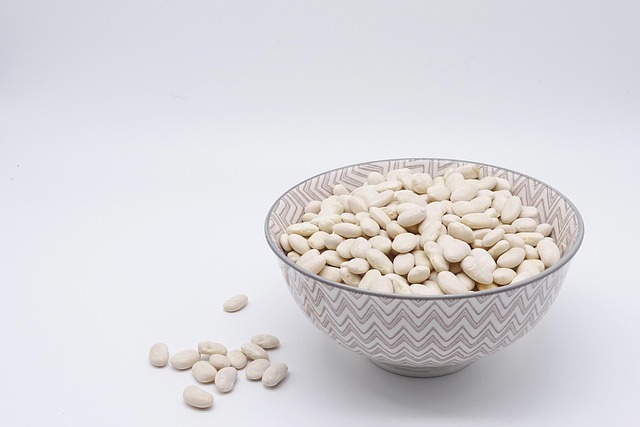
- Beans, lentils, and chickpeas
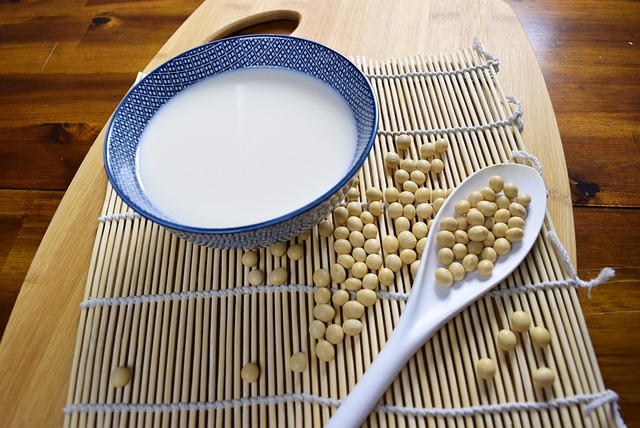
- Tofu, tempeh, and edamame
- Nuts, seeds, and nut butters
- Whole grains like quinoa, buckwheat, and amaranth
- Plant-based yogurts or fortified drinks with added protein
Combining these foods across your day can create a strong protein foundation in line with your values. This is where healthy nutrition becomes personal—aligning with both your physical needs and your ethical or cultural choices.
Protein as a Daily Act of Self-Respect
At its core, consistently choosing protein-rich foods is a quiet act of self-respect. You are saying, “My body deserves to feel stable, strong, and supported.” It’s less about dieting and more about care. A healthy lifestyle isn’t built from shame or restriction, but from small, repeated moments of kindness to yourself.
Each time you choose a protein-rich snack over something that leaves you crashing, you’re reinforcing healthy habits. Each time you build your plate around a nourishing protein source, you’re shaping your energy, your mood, and even the way you show up for others. Over time, these choices become less like effort and more like identity: “This is just how I eat now.”
Bringing It All Together in Everyday Life
Living with healthy nutrition rooted in protein doesn’t require perfection. Some days will be unplanned, some meals will be rushed, and sometimes convenience will win. But when your default pattern leans toward protein-rich foods, those occasional detours don’t define you—they simply fit into a much bigger picture of care and consistency.
You might notice:
- Fewer intense energy crashes during long workdays
- Cravings that feel less overpowering
- Improved recovery from exercise or long periods on your feet
- A quieter, more balanced relationship with hunger and fullness
These are the subtle signs that your healthy habits around protein are working for you. They’re not dramatic or flashy, but they’re deeply felt—and they’re what turn nutrition from a set of rules into a lived, supportive experience. In that sense, protein is more than a macronutrient; it’s a practical tool for shaping a healthy lifestyle that feels steady, nourishing, and genuinely yours.