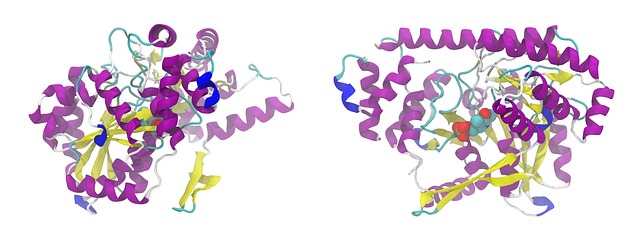

When it comes to maintaining a healthy lifestyle, one often overlooks the significance of certain amino acids in our diets. One such amino acid that deserves our attention is alanine. This non-essential amino acid plays a crucial role in protein synthesis and contributes to overall health, making it a valuable component of a balanced diet.
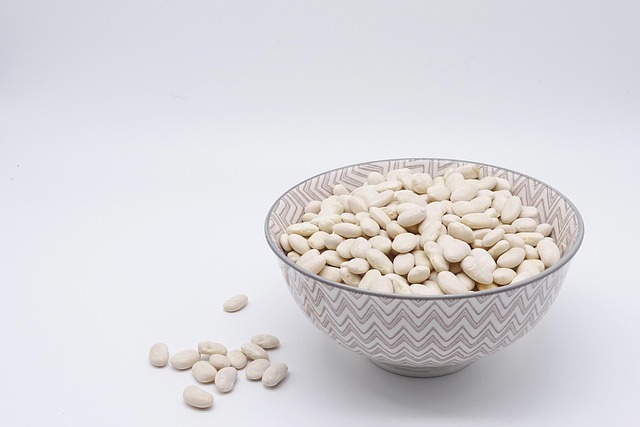
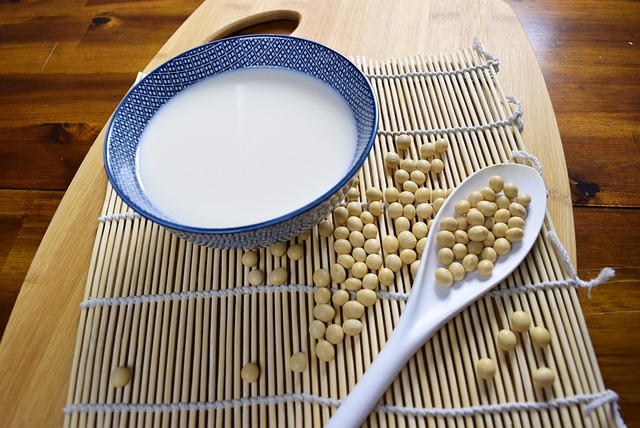
Alanine is primarily found in high-protein foods such as meat, fish, eggs, dairy products, and legumes. It’s essential for maintaining energy levels, especially during physical exertion. When you engage in physical activities, your body breaks down protein into amino acids to fuel your muscles. Alanine helps to transport ammonia, a byproduct of muscle metabolism, to the liver, where it can be converted back into glucose—a process that is vital for energy replenishment during and after exercise.
In the context of a healthy lifestyle, incorporating alanine-rich foods can enhance your physical performance and recovery. For athletes and fitness enthusiasts, this means less muscle fatigue and quicker recovery times. Ultimately, this contributes to a sustainable routine, allowing you to stick with your fitness regimen without the dreaded burnout.
Moreover, alanine carries numerous health benefits that extend beyond athletic performance. It supports the immune system by playing a role in the production of antibodies, which are vital for fend off infections. A strong immune response is essential for maintaining a healthy lifestyle, helping you stay active and engaged without the disruptions caused by illness.
When looking at nutrition, it’s essential to understand that protein is a cornerstone of a well-rounded diet, and alanine is an integral part of this macronutrient. Including various sources of protein that provide alanine not only supports muscle growth but also promotes overall metabolic health. A balanced intake of this amino acid can contribute to better weight management by promoting a healthy metabolism and aiding in fat loss while preserving lean muscle mass.
For those considering supplementation, it’s crucial to consult with healthcare professionals before embarking on any new health regimen. While alanine is typically sufficient through natural dietary sources, exploring options like beta-alanine supplements might be beneficial for enhancing athletic performance, particularly in high-intensity workouts.
Ultimately, nurturing your body with the right nutrients, including alanine, can significantly impact your health. Embracing a diet rich in proteins and amino acids fosters not only physical wellness but also empowers you to thrive in all aspects of your life. As you plan your meals and make choices about your nutrition, remember to keep alanine in mind; its benefits can help you on your journey toward a healthier lifestyle.