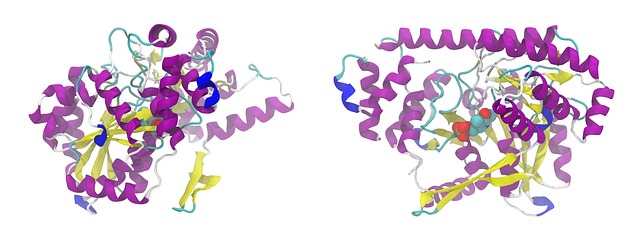

In the quest for a healthier lifestyle, nutrition plays a pivotal role, and protein is often a central focus. While we frequently hear about complete proteins—those that contain all nine essential amino acids—it’s equally important to understand the concept of incomplete proteins and how they can fit into our daily diets. Incomplete proteins, as the name suggests, lack one or more of the essential amino acids our bodies need to function optimally. However, this doesn’t mean they should be overlooked or deemed less valuable in your nutrition journey.
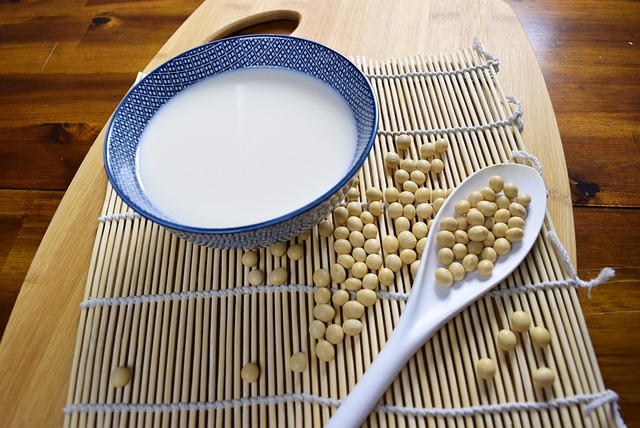
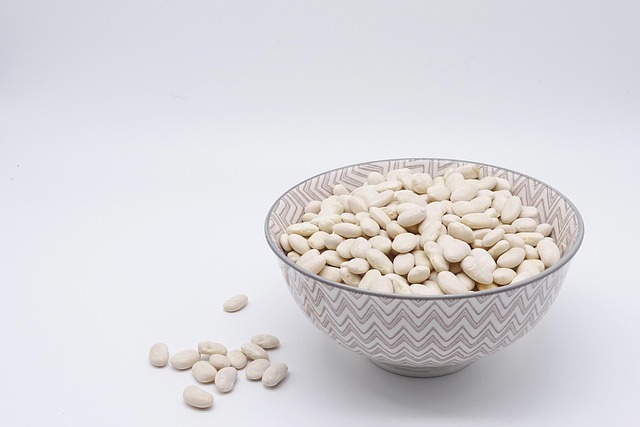
In fact, incomplete proteins can be found in a variety of plant-based foods including beans, lentils, nuts, and grains. For those embracing a more plant-centric diet, understanding incomplete proteins is crucial. These foods often provide beneficial nutrients, such as fiber, vitamins, and minerals, which contribute to an overall healthy lifestyle. Incorporating a mix of these protein sources helps ensure that you are meeting your dietary protein needs while also reaping the other nutritional benefits they offer.
Striking the right balance when it comes to nutrition can sometimes feel like a daunting task, especially for those who are new to healthy living. It’s essential to remember that the body is remarkably adaptable. By combining different plant proteins, such as rice and beans or peanut butter on whole-grain bread, one can create a complete protein profile. This not only makes meal planning easier but also encourages a diverse range of foods in your diet, promoting overall health and well-being.
Additionally, the emphasis on complete versus incomplete protein can oversimplify our understanding of nutrition. For many, focusing solely on protein quality may detract from the overall picture of a balanced diet. When we prioritize whole foods—many of which are incomplete proteins—we are more likely to enjoy a varied and nutrient-dense diet. This means embracing not just the protein itself but the entire spectrum of nutrients that come along with these foods, contributing to a more enriched healthy lifestyle.
Moreover, including a variety of incomplete proteins in your meals contributes to sustainability. As more people lean toward a plant-based diet for health and environmental reasons, recognizing the value of these proteins supports a broader shift toward sustainable nutrition practices. With the world focusing more on healthful eating, understanding how to navigate protein sources effectively can empower anyone on their journey to wellness.
So, when you find yourself contemplating your next meal, remember that incomplete proteins deserve a place at the table. They are not a sign of nutritional deficiency but rather an opportunity to expand your culinary repertoire while supporting a healthy lifestyle. Embracing the beauty of plant-based proteins not only nourishes your body but can also invigorate your approach to healthy eating—making each meal an adventure in both taste and nutrition.