

Many people chasing permanent weight loss feel stuck in a loop: strict diets, short bursts of motivation, some results, then the inevitable rebound. That exhausting cycle creates guilt, frustration, and the sense that maybe you just “don’t have the willpower.” The truth is far kinder: it’s not you that’s broken, it’s the approach. Lasting change rarely comes from punishment or deprivation; it grows from a sustainable healthy lifestyle and balanced, enjoyable nutrition that you can live with for years, not weeks.
If you’ve ever told yourself “I’ll start over on Monday,” you already understand how emotional this journey is. Permanent weight loss is not simply about numbers on the scale; it’s about feeling at home in your body, restoring your energy, and building trust with yourself again. Diet culture often tells you to white-knuckle your way through unrealistic rules, but a healthier path focuses on small, compassionate adjustments that fit into your real life, with its stress, family obligations, and busy schedule.
A healthy lifestyle begins with how you think about change. Instead of chasing a quick fix, imagine designing a way of living that quietly supports your goals in the background. That looks like consistent sleep, gentle but regular movement, meals that satisfy rather than restrict, and stress management tools that don’t revolve around food. When healthy actions become part of who you are, not just what you’re forcing yourself to do, weight loss stops being a temporary project and starts becoming a natural side effect.
Movement is a powerful part of that lifestyle, but it doesn’t have to mean grueling workouts. The most effective form of activity for permanent weight loss is the one you can enjoy and repeat. Walking after dinner, taking the stairs, dancing while you clean, or practicing yoga in your living room all count. Regular movement helps balance blood sugar, supports your metabolism, and improves mood, making it easier to keep other healthy habits. When exercise feels like self-care instead of punishment, consistency stops being a battle.
Sleep is another overlooked pillar of permanent weight loss. Short, poor-quality sleep disrupts hunger hormones, increases cravings for high-calorie foods, and drains your ability to make clear decisions. Protecting 7–9 hours of sleep as a non-negotiable part of your healthy lifestyle can do more for your appetite and energy than another extreme diet ever will. A simple wind-down routine, limiting screens before bed, and keeping a regular sleep schedule create a foundation your body can rely on.
Stress management matters just as much. Many people use food to soothe, distract, or cope. There’s nothing “wrong” with finding comfort in food, but if it’s your only tool, it can sabotage permanent weight loss. Building other calming habits—like deep breathing, journaling, stretching, spending time outside, or talking with a trusted friend—gives you more choices when emotions rise. Over time, you begin to separate physical hunger from emotional hunger, which is essential for sustainable change.
Healthy nutrition is where permanent weight loss starts to feel real and tangible day by day. Rather than labeling foods as “good” or “bad,” think in terms of balance and nourishment. A satisfying plate often includes three main components: lean protein, fiber-rich carbohydrates, and healthy fats. Protein (from foods like fish, eggs, beans, tofu, or chicken) helps keep you full and protects your muscles as you lose weight. Fiber (from vegetables, fruits, whole grains, and legumes) stabilizes blood sugar and supports digestion. Healthy fats (from avocado, nuts, seeds, olive oil) help you feel satisfied and prevent the urge to snack constantly.
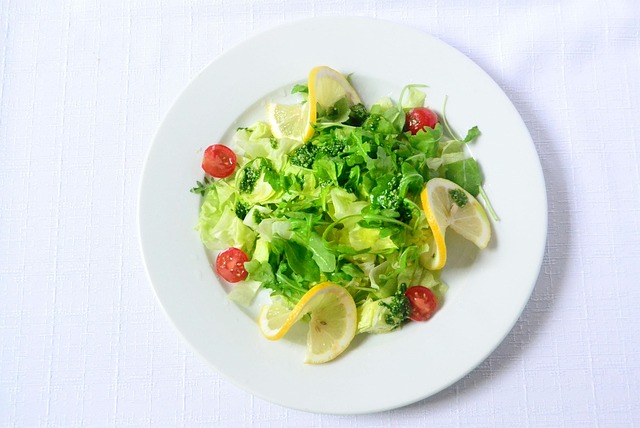
Instead of cutting out entire food groups, permanent weight loss through healthy nutrition focuses on adding in what your body needs. Start by crowding your meals with color: leafy greens, bright vegetables, berries, beans, and whole grains. As your plate gets fuller with whole, nutrient-dense foods, there’s naturally less room and desire for ultra-processed options. This subtle shift feels less like restriction and more like upgrading what you already eat.
Portion awareness also plays a key role, but it doesn’t have to mean obsessively counting every calorie. You can listen to your body’s signals of hunger and fullness by eating more slowly, pausing mid-meal to check in, and asking, “Am I satisfied or just still chewing?” Using smaller plates, serving food in the kitchen rather than at the table, and avoiding eating directly from bags or containers are simple habits that gently guide you toward portions that support permanent weight loss.
Healthy nutrition also respects your preferences and culture. If you love bread, rice, or pasta, they don’t have to disappear; they can be balanced with protein and vegetables, and chosen in more wholesome forms like whole grains. If sweet foods comfort you, you might shift from daily large desserts to smaller portions or fruit-based treats a few times a week. Permanent weight loss is about building a relationship with food that feels kind, realistic, and respectful of who you are and where you come from.
Hydration is another quiet but powerful ally. Even mild dehydration can be mistaken for hunger, leading you to eat when your body is actually asking for water. Keeping a water bottle nearby, starting your day with a glass of water, and drinking regularly throughout the day can help regulate appetite and energy levels. Unsweetened tea, sparkling water, and infused water with slices of citrus or herbs can make hydration more enjoyable without adding excessive calories.
One of the most important mental shifts on the path to permanent weight loss is moving away from “all or nothing” thinking. You don’t fail because you ate dessert or skipped a workout. A healthy lifestyle leaves room for flexibility. If you have a heavier meal, you can balance it with lighter options later without guilt. If you miss a few days of movement, you simply start again the next day. Progress comes from what you do consistently over months and years, not from a few perfect days.
It helps to focus on process goals rather than only results. Instead of obsessing over how many pounds you want to lose, set goals like “I’ll walk for 20 minutes, four times this week,” or “I’ll add a vegetable to my lunch every day.” These are actions you can control, and they build the behaviors that eventually create permanent weight loss. When your sense of success comes from following through on small, doable habits, your confidence grows naturally.
Self-compassion is the thread that ties healthy lifestyle and healthy nutrition together. When you slip back into old habits—and everyone does at some point—you can choose curiosity instead of criticism. Asking “What was I feeling?” or “What could help me next time?” leads to learning and adjustment. Beating yourself up leads to shame, and shame often drives more of the very behaviors you want to change. Permanent weight loss is easier when you treat yourself like a person you care about, not an enemy you’re trying to control.
Over time, these gentle but consistent choices reshape more than your body; they reshape your identity. You begin to see yourself as someone who takes walks, chooses water more often, enjoys nourishing meals, and cares about restful sleep. The scale may move slowly, but other changes—better mood, steadier energy, clearer thinking, improved confidence—arrive much sooner. Those are signs that your healthy lifestyle and healthy nutrition are working together beneath the surface, building a foundation that can truly support permanent weight loss.