

When you decide to live a healthier lifestyle, protein often feels like a safe bet. You swap snacks for protein bars, pick the “high-protein” option on every menu, and proudly add extra scoops of powder to your morning smoothie. It feels responsible, disciplined, almost heroic. Yet behind this sense of control hides a side we rarely talk about: protein risks that can slowly undermine the very health you are trying to protect.
Protein sits at the heart of almost every conversation about healthy nutrition. It builds muscles, supports hormones, repairs tissues, and stabilizes blood sugar. In the category of foods that promise energy and strength, protein is the star. But just as too little protein can weaken you, too much or the wrong kind can quietly work against your body. The real challenge is not choosing protein or avoiding it—it is understanding how to use it wisely.
In a culture obsessed with “more is better,” it is easy to forget that your body has limits. Many people aiming for a healthy lifestyle unintentionally cross those limits. They rely heavily on animal protein, processed shakes, and convenience foods labeled “high-protein,” without considering long-term effects. You may even recognize yourself here: feeling proud of your disciplined diet, while ignoring subtle warning signs like fatigue, digestive discomfort, or unexplained weight changes. These can all be early hints of underlying protein risks.
One of the most overlooked risks of excessive or poorly balanced protein intake is its impact on the kidneys. Your kidneys work like a filtration system, removing waste products from protein metabolism. When protein intake is chronically high, these organs are forced to work harder. For someone with pre-existing kidney issues—or even for those unaware they are at risk—this added strain can accelerate damage. You might feel “healthy” on the surface, but inside, that constant overload is demanding more from your body than it can comfortably give.
Protein risks are not just about quantity, but also about quality and context. A diet where protein crowds out vegetables, whole grains, and healthy fats can quietly erode your nutritional base. You may be meeting or exceeding your protein targets, yet missing fiber, antioxidants, vitamins, and minerals your body needs to combat inflammation, support immunity, and keep your heart and brain functioning at their best. Over time, this imbalance can contribute to issues such as constipation, high cholesterol, blood pressure problems, and increased risk of chronic disease.
The emotional side of this story is often ignored. Many people who care deeply about living well feel a strong pressure to “eat perfectly.” Protein becomes a symbol of discipline: a clean shake instead of breakfast, grilled chicken instead of shared pasta, a protein bar instead of dessert. But behind these choices, there can be anxiety—fear of gaining weight, fear of losing muscle, or a harsh inner critic demanding constant control. This psychological pressure can make you cling to high-protein habits long after they stop serving your overall health.
In the pursuit of a healthy lifestyle, it is common to fixate on body composition. High-protein diets are often sold as a fast track to a lean, toned body. But leaning too heavily on protein at the expense of balance may backfire. Without enough carbohydrates, your energy dips, workouts feel harder, and you may turn to caffeine or sugar to cope. Without enough healthy fats, hormone production and brain function can suffer, leaving you feeling moody, foggy, or easily overwhelmed. Protein alone cannot offer the emotional stability and mental clarity you might be expecting from a well-rounded approach to healthy nutrition.
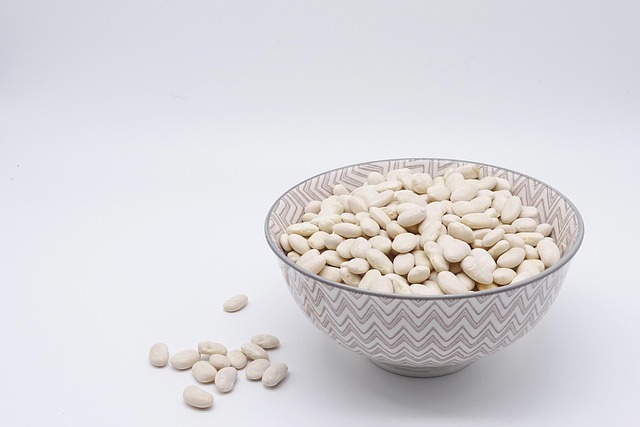
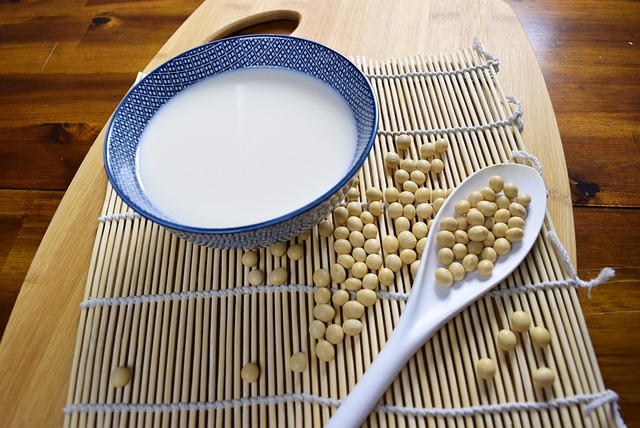
There is also the question of where your protein comes from. Diets centered around processed meats, frequent red meat, and heavily refined protein products carry their own set of protein risks. High intake of certain animal proteins has been linked to increased inflammation, heart disease, and certain cancers. On the other hand, plant-based protein sources like beans, lentils, tofu, tempeh, nuts, and seeds offer fiber and protective compounds that support long-term health. The difference is not just biochemical; it affects how you feel day to day—lighter digestion, more stable energy, and a sense of alignment with your personal values about health and the environment.
Healthy nutrition is more than hitting macro targets; it is about listening to your body’s signals. If you notice bloating after protein shakes, discomfort after heavy meat-based meals, constant thirst, or changes in urination, these can be your body’s way of asking for a more balanced approach. Sleep disturbances, irritability, and a sense of heaviness or sluggishness can also arise when your diet leans too far into protein at the expense of variety. It can feel confusing: you are “doing everything right” according to popular advice, yet not experiencing the lightness and vitality you expected.
Finding a healthier relationship with protein means bringing nuance back into your choices. Instead of asking, “How much protein can I get?” you might ask, “How much do I truly need for my body, my activity level, and my long-term health?” Often, this amount is lower and more flexible than diet culture suggests. For many adults, a moderate intake spread evenly across meals is enough to support muscle maintenance, recovery, and energy without overwhelming the body’s systems. You do not need to chase extreme numbers to be strong, fit, or healthy.
One powerful shift is to see protein as part of a complete plate, not the entire focus. Imagine meals where protein sits alongside colorful vegetables, whole grains, and healthy fats. A lentil and vegetable stew with olive oil, grilled fish with quinoa and greens, or tofu stir-fry with brown rice and mixed vegetables—each meal still satisfies your protein needs but also nourishes your heart, microbiome, and mind. This way, protein risks are reduced not by fear or restriction, but by embracing diversity and balance.
It can also help to reflect on your emotional connection to protein. Do you feel anxious when a meal is not “high-protein”? Do you feel guilty if you choose a carb-rich dish or a plant-based meal? These feelings are not just about food—they are about trust. Trusting that your body is adaptable, that your health is shaped by patterns over time, not by a single meal. When you soften those rigid beliefs, you give yourself room to experiment, to notice how different kinds and amounts of protein actually make you feel.
In the end, protein belongs at the table of a healthy lifestyle, but not at the head of it. Understanding protein risks is not about avoiding this essential nutrient; it is about respecting its power—and your own. By shifting from fear-based, numbers-driven choices to a broader view of healthy nutrition, you can protect your kidneys, support your heart, calm your digestion, and ease the mental pressure that often accompanies “perfect” eating. You are not just managing macros; you are caring for a whole, living body that needs variety, flexibility, and kindness as much as it needs protein.